سلسلة
تعرّف على سلسلة من خلال ملخص محايد ومبني على الحقائق حول التقنية والتطبيقات والفوائد ومعايير الاختيار لحلول الروبوتات الحديثة في الشرق الأوسط.
مقدمة ونظرة عامة
نظرة مختصرة: تعرّف على سلسلة من خلال ملخص محايد ومبني على الحقائق حول التقنية والتطبيقات والفوائد ومعايير الاختيار لحلول الروبوتات الحديثة في الشرق الأوسط.
يمكن أن يساعد سلسلة المؤسسات التي تحتاج إلى أتمتة عملية، وعمليات أكثر أماناً، وأداء ميداني موثوق، ونشر قابل للتوسع في أسواق الشرق الأوسط. يقارن المشترون عادةً بين تصميم الروبوت، والحمولة، والحركة، والمستشعرات، والاستقلالية، والبرمجيات، ومتطلبات الصيانة، والتكلفة الإجمالية للملكية قبل اختيار المنصة المناسبة.
التصميم والميزات
قد تشمل الروبوتات في هذه الفئة أنظمة ميكانيكية متينة، ومحركات كهربائية، ومستشعرات إدراك، وبرمجيات ملاحة، وخيارات تحكم عن بُعد، وأدوات خرائط، وواجهات للحمولات، ووظائف سلامة. تعتمد المواصفات المناسبة على الموقع، ودورة العمل، وبيئة التشغيل، والاتصال، وخطة تدريب الموظفين.
تشمل نقاط التقييم المهمة عمر البطارية، وطريقة الشحن، وتحمل الحرارة، ومقاومة الغبار، والقدرة على الحركة فوق التضاريس، وسعة الحمولة، وخيارات التكامل، وتوفر قطع الغيار، وتخطيط الخدمة المحلية. في المشاريع المؤسسية، يمكن أن تكون الوثائق وشروط الضمان وتدريب المشغلين مهمة بقدر أهمية الأداء الفني.
التطبيقات وحالات الاستخدام
يرتبط سلسلة بالتفتيش، والأمن، والخدمات اللوجستية، والتعليم، والبحث، والاستجابة للطوارئ، وإدارة المرافق، والتنظيف، والبناء، والأتمتة الصناعية، والأعمال الميدانية المتخصصة. قد يحتاج العملاء في الشرق الأوسط إلى حلول تعمل في المستودعات، والجامعات، ومنشآت النفط والغاز، والموانئ، والمطارات، والأماكن العامة، ومشاريع المدن الذكية، ومواقع البنية التحتية البعيدة.
ينبغي ربط حالات الاستخدام بنتائج قابلة للقياس، مثل تقليل المخاطر اليدوية، وجمع بيانات أفضل، وتحسين سرعة الاستجابة، وتمديد ساعات التشغيل، وتوحيد المهام المتكررة، أو دعم الفرق في المناطق الخطرة. غالباً ما يكون المشروع التجريبي أفضل طريقة للتحقق من الأداء قبل الشراء على نطاق أوسع.
المزايا واعتبارات الشراء
تتمثل المزايا الرئيسية لـ سلسلة في الاتساق، وقابلية التكرار، وجمع البيانات، والتشغيل عن بُعد، والقدرة على تنفيذ مهام مرهقة أو خطرة أو صعبة على الأشخاص. يجب على المشترين مقارنة السعر والتكلفة والتوفر والدعم والملحقات واشتراكات البرمجيات والصيانة المتوقعة قبل تحديد مكان الشراء.
ينبغي لفرق المشتريات أيضاً مراعاة متطلبات الاستيراد، ومواعيد التسليم، والتدريب، والبطاريات الاحتياطية، والشواحن، والحمولات، وحقائب الحماية، واستجابة الخدمة، والتوسع المستقبلي. عادةً ما تتضمن عملية شراء الروبوت المخططة جيداً المنصة نفسها والعملية التشغيلية المحيطة بها.
تخطيط التنفيذ
تبدأ مشاريع الروبوتات الناجحة عادةً بمراجعة واضحة لسير العمل. يجب على الفرق توثيق العملية الحالية، وتحديد نقاط الاختناق، وتعريف قيود السلامة، وقائمة المخرجات المتوقعة، وتحديد كيفية قياس أداء الروبوت. في مشاريع الشرق الأوسط، قد يشمل التخطيط أيضاً الوصول إلى الموقع، واحتياجات لغة المشغلين، والاتصال المحمول، والمعايير الكهربائية، وظروف المناخ، وروتين الصيانة العملي.
يمكن أن تغيّر الملحقات مدى فائدة سلسلة. ضع في الاعتبار البطاريات الاحتياطية، والشواحن، ومحطات الإرساء، وحوامل الحمولات، والمستشعرات، والكاميرات، وأغطية الحماية، وحقائب النقل، وتراخيص البرمجيات، وخدمات التكامل. قد تؤثر هذه العناصر في الميزانية الفعلية بقدر تأثير الروبوت نفسه، لذلك يجب تضمينها في أي مقارنة للسعر أو التكلفة.
الدعم والتدريب ودورة الحياة
يساعد التدريب المشغلين على استخدام أنظمة الروبوتات بأمان واتساق. يجب أن توضّح خطة النشر من سيشغّل الروبوت، ومن سيقوم بصيانته، وكيف سيتم الإبلاغ عن الحوادث، وكيف ستدار تحديثات البرمجيات. كما ينبغي للمشترين تأكيد الوثائق وشروط الضمان وتوفر قطع الغيار ومسارات التصعيد قبل الشراء.
تخطيط دورة الحياة مهم لأن الروبوتات أصول طويلة الأجل. يمكن للتنظيف والفحص وتحديثات البرامج الثابتة واستبدال البطاريات والمعايرة والاختبار الدوري أن يحافظ على الأداء. عندما يتم اختيار سلسلة بعناية ودعمه بشكل صحيح، يمكن أن يصبح جزءاً موثوقاً من العمليات اليومية وليس مجرد تجربة تقنية لمرة واحدة.
الأسئلة الشائعة
كيف أختار سلسلة؟
ابدأ بالمهمة المطلوبة، والبيئة، ومدة التشغيل المطلوبة، ومتطلبات السلامة، واحتياجات الحمولة، وتوقعات الدعم. بعد ذلك قارن نماذج الروبوتات وفقاً لهذه المتطلبات العملية بدلاً من الاعتماد على المواصفات فقط.
ما الذي يؤثر في سعر سلسلة؟
يتأثر السعر بحجم الروبوت، والمستشعرات، ومستوى الاستقلالية، والحمولات، والبرمجيات، والملحقات، والضمان، والشحن، والدعم. تعتمد التكلفة الدقيقة على التكوين ومتطلبات المشروع.
هل يمكن نشر سلسلة في الشرق الأوسط؟
يمكن نشر العديد من أنظمة الروبوتات في أسواق الشرق الأوسط عندما يتم التخطيط للطاقة، والاتصال، والتدريب، والصيانة، والخدمات اللوجستية بشكل صحيح. يجب دائماً مراجعة ظروف الموقع قبل الشراء.
الخلاصة
يمكن أن يساعد سلسلة الشركات والمؤسسات والجهات الحكومية على تحديث العمليات باستخدام الروبوتات والأتمتة. قارن الميزات والدعم والتكلفة الإجمالية وظروف النشر بعناية لاختيار حل الروبوت الأنسب.
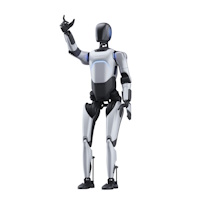
What is the AgiBot A Series? The AgiBot A Series is the flagship humanoid robot product line from AgiBot (Zhiyuan Robotics), a Shanghai-based robotics company. It includes four generations: the RAISE A1 (2023), the Expedition A2 and its variants A2-Max, A2-W, and A2 Ultra (2024-2025), and the Expedition A3 (2026). Each model is a full-size, bipedal or wheeled general-purpose humanoid robot powered by AgiBot's proprietary AI software stack, including the GO-1 foundation model and the WorkGPT multimodal engine.
How does the AgiBot A2 robot work? The AgiBot A2 processes sensory input from onboard cameras, LiDAR, and microphones through its WorkGPT AI engine, which runs at 200 TOPS on local hardware without requiring cloud connectivity. The GO-1 foundation model interprets the robot's environment, understands natural-language instructions, plans multi-step actions, and sends commands to the robot's PowerFlow joint motors and SkillHand dexterous hands. The system supports voice commands, face recognition, obstacle avoidance, and fine-manipulation tasks like threading a needle — all through onboard edge inference.
What are the differences between the AgiBot A2, A2-Max, A2-W, and A2 Ultra? The standard A2 is a general-purpose bipedal humanoid for commercial and industrial use. The A2-Max is a heavy-duty variant with a 40-kilogram payload and 67 degrees of freedom for demanding industrial work. The A2-W is a wheeled version with dual force-controlled arms for repeatable factory assembly tasks at sub-millimeter accuracy. The A2 Ultra is a refined service-oriented model with 40 degrees of freedom, triple-market certification (China, US, EU), up to 1,300 hours of validated continuous walking endurance, and software customization tools for commercial deployments.
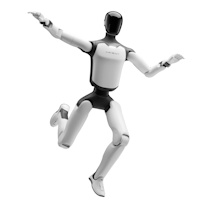
What is the AgiBot Expedition A3 robot? The Expedition A3 is AgiBot's third-generation full-size humanoid, unveiled in February 2026. It is designed for high-interaction environments like retail, entertainment, and live events. The A3 features a flexible waist with human-like range of motion, lightweight exoskeleton legs for agility, an eight-hour battery life via a dual-battery torso system, fast battery-swapping, and an end-to-end AI model for wake-word-free conversation. It gained widespread attention for performing aerial flying kicks, consecutive airborne strikes, and cyclone kicks in demonstrations filmed without CGI.
What industries use the AgiBot A Series? The A Series is deployed across automotive manufacturing, electronics assembly, logistics and warehousing, commercial reception and guided tour services, retail and brand activation, research and education, entertainment and live events, and trade show exhibitions. AgiBot has identified industrial manufacturing as the primary near-term revenue driver, with commercial service and household applications projected to grow over the next five to eight years.
How does the AgiBot A2 compare to Tesla Optimus? Both are full-size bipedal humanoid robots designed for general-purpose industrial and commercial tasks. The A2 is available for enterprise purchase today at $100,000 to $190,000, with over 5,000 units shipped in 2025 and triple-market certification. Tesla Optimus was still in limited production as of early 2026 with no public purchase availability, though Tesla has projected an eventual retail price of approximately $20,000 to $30,000 once scale is reached. The competitive dynamics between the two programs will become clearer as Optimus moves toward broader deployment in 2026 and beyond.